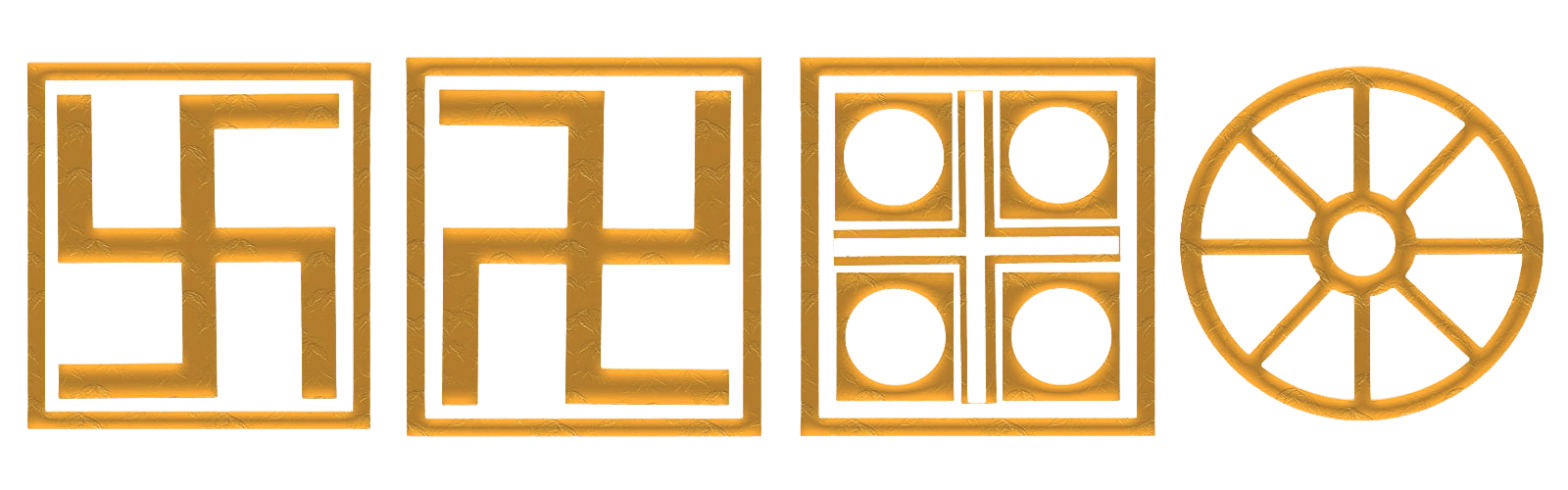
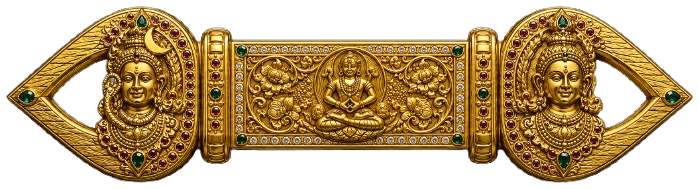
Vishuddhi Dharma (विशुद्धि धर्म, Viśuddhi Dharma) is the second of the five dharmas of Siddha Dharma. The tradition also calls it Nirguṇa Upāsanā (निर्गुण उपासना), the worship of the one without attributes.
Viśuddhi is thorough purification, purity carried all the way through, into the corners, until nothing is left that was not already clean, and so the name describes the method as much as the goal.
Section 01
What this dharma is
Where Deva Dharma reaches Ishwar through form, Vishuddhi Dharma reaches for Ishwar without any. Its object is nirguṇa. That is the divine free of attributes, the pure and unmanifested essence behind every manifestation, behind the mūrti and the mask and the mountain and the name. Its means are contemplative meditation and inner purification, the steady clearing of the seeker's own inner ground, year after year, until what remains is what was always there.
Siddha Dharma describes it as a path of transcendence. It goes beyond the physical manifestations of the divine to connect with the ultimate truth. So the practitioner of Vishuddhi Dharma need not set a mūrti before himself. What he attends to is the one whom the mūrti stands for, and he attends to it by becoming clear enough to perceive it, which is slower work than it sounds.
Section 02
Its place among the five
This is the dharma that answers the question people put to every tradition of images, sooner or later, in the temple or on the way home from it, when the lamp has been lit and the bell has been rung and the deity has been fed and someone, usually a child, asks what is actually behind the image. Behind it, what?
It stands next to Deva Dharma, and the two are not in competition. The oldest layer of this tradition, Ko Boonak of the Kopokhojaa era, is recorded as recognising Ishwar with form, Ishwar without form and Ishwar in avatar, all three at once, and refusing to rank them. So the worship of the formless is no late arrival here, and Vishuddhi Dharma is the road Siddha Dharma keeps open for it.
Section 03
What its people hold
- Ishwar is nirguṇa, beyond every attribute, and the attributes are not the thing itself.
- The way to the formless is contemplative meditation and inner purification, the clearing of what obscures the pure essence, in the seeker's own habits and fears and the noise he carries.
- The path goes beyond the physical manifestations of the divine, without denying them, toward the ultimate truth.
Section 04
Its granthas and Siddhas
Reserved for a future entry from the tradition's record.
Section 05
Its practices
Reserved for a future entry from the tradition's record.
Section 06
Vishuddhi Dharma in a modern frame
The historian of religion has a fair question here. In most traditions the worship of the formless comes late, as a refinement worked out by scholars long after the deity of the village, and so putting Vishuddhi Dharma second in a list of five looks like putting it in its historical place.
The people of this tradition would not recognise the sequence. Their record has the formless recognised at the very beginning, in the first of the four old currents, alongside the form and never against it. What Vishuddhi Dharma adds is a way of living toward that recognition. Day by day, by inner purification, for the person whose temperament asks for it. It is second in the list because it is second in the list, and a tradition that has held the form and the formless together from its first layer has no reason to read a ranking into that.